How to Make the Perfect Victoria Sponge: A Step-by-Step Guide
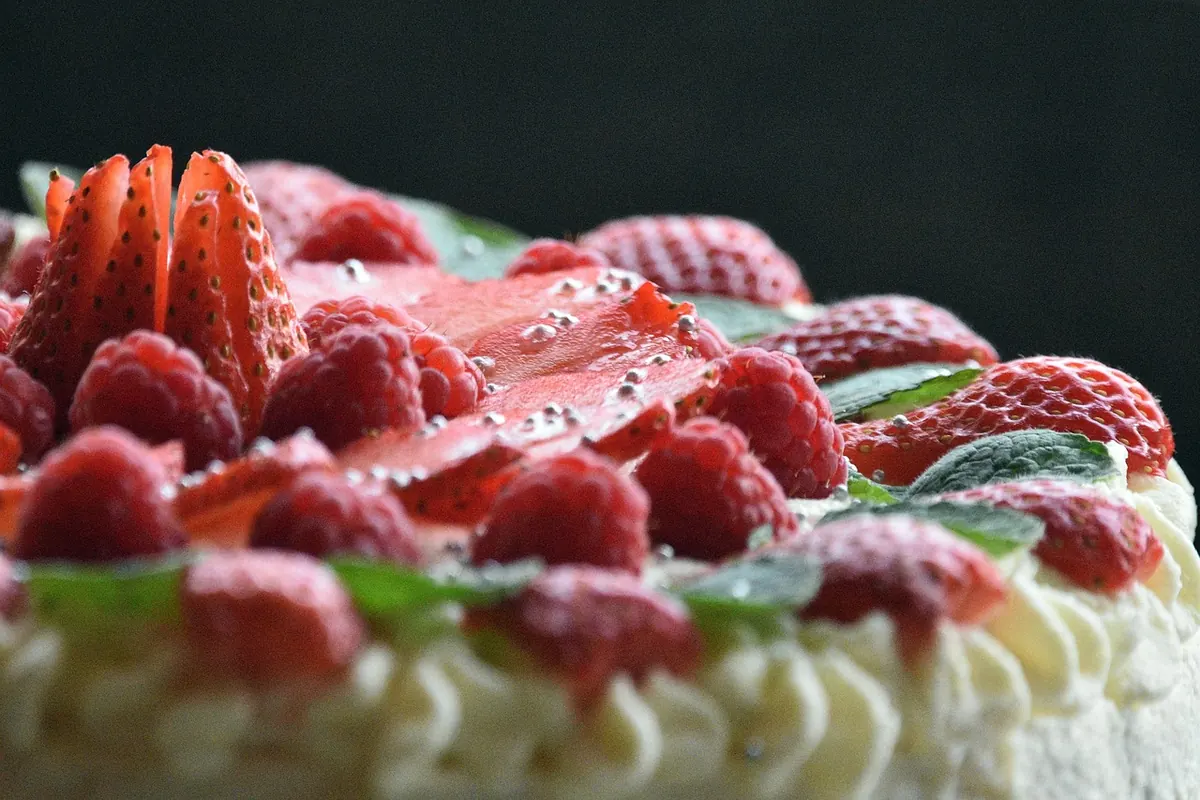
A Victoria sponge is one of those cakes that looks simple and quietly isn't. Two layers, jam, cream, a dusting of icing sugar — nothing to hide behind. That is exactly why it is worth mastering. Get the basics right and you will have a cake that is light enough to feel elegant and generous enough to vanish by teatime.
What you are aiming for
Before you touch a mixing bowl, picture the finished cake. The crumb should be fine and even, not tight or bouncy. The top should be barely golden, with a crust soft enough that you could press it with a fingertip and leave a gentle dent. The filling should taste of fruit and cream rather than sugar, and the layers should hold together when you cut a slice rather than sliding apart.
Everything below serves those four things: lightness, flavour balance, structure and restraint. A Victoria sponge fails more often from too much handling than too little skill.
The ingredients, and why they matter
The traditional approach uses equal weights of butter, sugar, flour and eggs. It is a forgiving formula, but only if you treat the ingredients properly.
- Butter — 200g unsalted, softened to room temperature. If it is cold, it will not trap air; if it is melted, the cake will be greasy. Leave it out for an hour or soften it in short bursts in the microwave, checking every ten seconds.
- Caster sugar — 200g. Its fine grains dissolve quickly into the butter. Granulated works at a push, but the crumb will be slightly coarser.
- Eggs — 4 large, at room temperature, lightly beaten. Cold eggs are the most common reason a creamed mixture curdles.
- Self-raising flour — 200g, sifted with a teaspoon of baking powder and a small pinch of fine salt. The salt is not there to make it salty; it sharpens the flavour of everything else.
- Milk — a tablespoon or two, only if the batter needs loosening.
- Vanilla extract — a teaspoon. Optional, but it rounds out the flavour.
You will also need two 20cm sandwich tins, greased and lined at the base with baking parchment. If your tins are 18cm, expect a slightly longer bake and taller layers.
Method, step by step
- Heat the oven to 180°C (160°C fan, gas mark 4) and put a shelf in the middle. Prepare the tins before you start mixing, not afterwards.
- Beat the butter and sugar together for a full four to five minutes with an electric whisk, or longer by hand. Stop when the mixture is visibly paler and feels lighter on the whisk. This stage is where the air gets in, and air is what makes the crumb tender.
- Add the beaten egg a little at a time, beating well after each addition. If the mixture starts to look grainy, add a spoonful of the weighed flour and carry on. Do not rush this.
- Sift in the remaining flour, baking powder and salt. Fold gently with a large metal spoon or spatula, cutting down through the middle and turning the bowl as you go. Stop the moment the last streaks of flour disappear. A few small lumps are better than a smooth, overworked batter.
- Loosen with a tablespoon of milk if the batter will not drop easily from the spoon, then divide it evenly between the tins. Spread it level with the back of the spoon rather than shaking the tins.
- Bake for 22 to 25 minutes, until the cakes are risen, springy in the centre and pulling away very slightly from the sides. A skewer inserted in the middle should come out clean.
- Leave them in the tins for five minutes, then turn out onto a wire rack, peel off the parchment and cool completely. Warm cake plus cream equals a slippery, sad assembly.
Do not open the oven early
For the first eighteen minutes, keep the door shut. Opening it lets in a draught that can collapse a risen sponge in seconds. Use the oven light if you have one, and judge the bake through the glass.
The filling: jam first, then cream
Raspberry jam is the classic for good reason. Its sharpness cuts through the richness of the cream. Use a good-quality jam with visible fruit, or make your own in summer and keep a jar back for this. You need around four generous tablespoons, and it is worth stirring it briskly with a spoon first so it spreads without tearing the sponge.
For the cream, whip 300ml of double cream with a tablespoon of icing sugar and a little vanilla until it holds soft peaks. Soft peaks matter: overwhipped cream turns grainy and heavy, and it will not spread kindly. A cream with a slightly higher fat content will hold its shape better if the cake is going to sit out for a while.
Spread the jam across one cooled layer, right to the edges. Spoon the cream onto the other layer, leaving a small border so it does not squid out when you press the top on. Sandwich them together with a confident, even hand, then dust the top lightly with icing sugar through a small sieve.
Assembling, storing and serving
A filled Victoria sponge is best eaten the day it is made. If you need to prepare it ahead, bake the layers a day in advance, wrap them well once cool and fill them on the day. Once cream is involved, the cake should live in the fridge and be brought out twenty minutes before serving, so the butter in the sponge softens again.
Cut it with a sharp, thin knife, wiping the blade between slices for clean edges. Serve with a pot of strong tea and nothing else competing for attention.
If something goes wrong
- Sunken middle — usually underbaked, or the oven door was opened too soon.
- Dry and crumbly — the cakes were left in the oven too long, or too much flour went in. Weigh rather than scoop.
- Rubbery texture — the batter was beaten after the flour was added instead of folded.
- Domed, cracked tops — the oven was too hot, so the outside set before the middle had finished rising. Check your oven with a thermometer if it happens twice.
- Cakes stuck to the tin — the base was not lined, or they were turned out while still hot and fragile.
Make it yours, then make it again
Once the basic cake works, small changes are easy. Swap raspberry for strawberry or a tart cherry jam. Add the finely grated zest of a lemon to the sugar before creaming for a citrus version, or fold a tablespoon of cocoa into the flour for a light chocolate sponge, filling it with cherry jam and cream. Fresh raspberries pressed lightly into the cream make a lovely late-summer cake, though they should be eaten the same day.
The real test is repetition. Bake it three times in a month and you will stop measuring the creaming time and start judging it by eye and feel. That is when a Victoria sponge stops being a recipe and becomes something you can make without thinking — which is precisely the point of a good classic.
Photo: artellliii72 / Pixabay