Beginner's Guide to Brewing Loose-Leaf Tea at Home
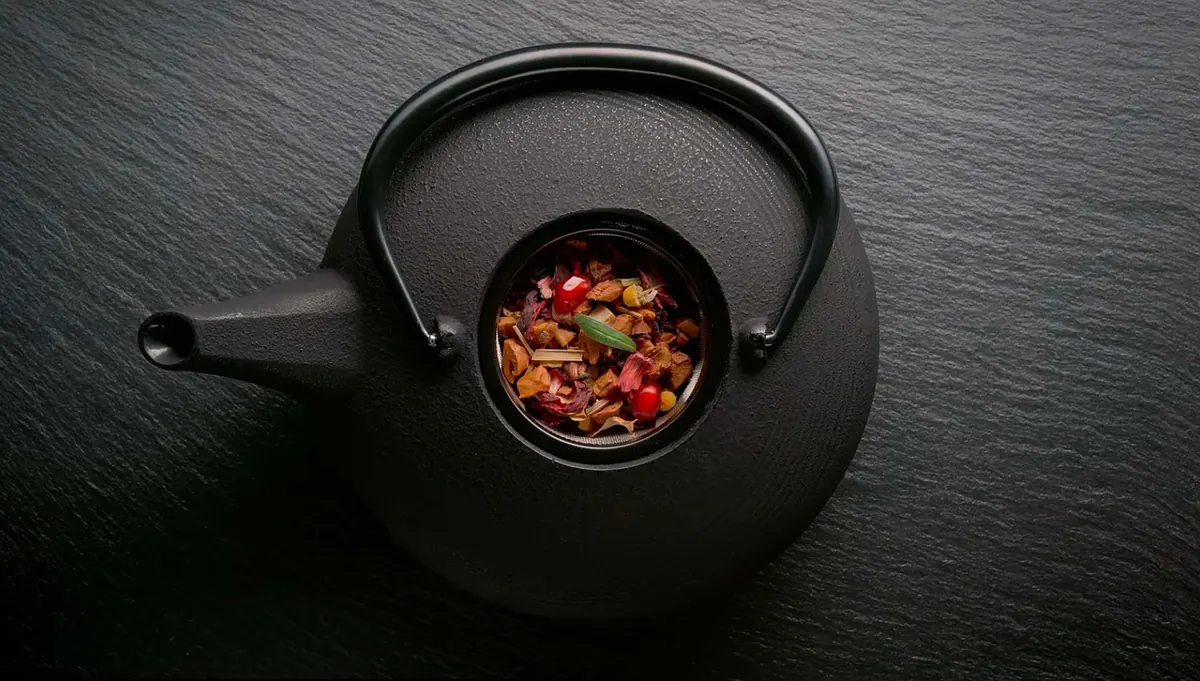
Loose-leaf tea has a reputation for being fussy. It isn't, really. Almost everything that separates a flat, bitter mug from one you would happily pay for comes down to three things: how hot the water is, how much leaf you use, and how long you leave it to steep. Get those roughly right and the rest — the teapot, the ritual, the pretty caddy — is entirely optional.
Start with what you already have
You do not need much to make a good cup. A mug, a kettle, and something to strain with will do. A small teapot helps, but a decent infuser basket works just as well and is easier to clean.
Two inexpensive additions are worth it. The first is a set of small kitchen scales that measure in single grams; eyeballing leaf is the most common reason a good tea tastes disappointing. The second is an instant-read thermometer. A basic one takes the guesswork out of water temperature and changes the results more than any upgrade to your teapot.
One thing people overlook: leaves need room. Whole leaves can swell to several times their dry size, so a cramped, ball-shaped infuser keeps half of them dry and gives you an uneven, muddled cup. Use the biggest basket that fits your mug, or brew in a pot and pour through a strainer. Water matters too. If your tap water tastes strongly of chlorine, filtered water will noticeably improve lighter teas.
Water temperature is the biggest single variable
Boiling water is right for black tea and herbal infusions, and wrong for almost everything green. Poured straight onto green leaves, it strips out bitter compounds within seconds. Drop the temperature and the same leaf tastes sweet, soft and vegetal.
- Black tea (Assam, Ceylon, breakfast blends): 95–100°C, straight off the boil.
- Oolong: 85–95°C, depending on how lightly oxidised the leaf is.
- Green tea: 70–80°C. Japanese greens such as sencha sit at the lower end; Chinese greens generally take a little more heat.
- White tea: 75–85°C.
- Herbal infusions (peppermint, chamomile, rooibos, ginger): 95–100°C. These are dried herbs, roots and flowers rather than tea leaves, and they need proper heat to release anything at all.
Without a thermometer, boil the kettle and pour the water into a cold mug or jug first, then over the leaves. Letting the kettle stand for a few minutes before pouring does something similar, though it depends on the kettle and the room, so treat it as a rough method rather than a rule.
How much leaf to use
A reliable starting point is one rounded teaspoon of leaf per 200–250ml of water. From there, adjust to taste rather than to instructions. Leaf size complicates the teaspoon approach: whole leaves take up far more space for the same weight, so a spoonful of large-leaf oolong weighs much less than a spoonful of fine broken leaf. If you want consistency, weigh it. Around 2–3g per 200ml suits most black teas; green teas often want slightly more because the leaves are lighter, not less.
Two habits help. First, measure every time for a week or two — you will quickly learn what your usual mug looks like. Second, do not pack the leaves in. Steeping is a process of water moving through and around the leaf, and leaves that are wedged together steep unevenly.
Steeping times, tea by tea
Timings are a range, not a prescription. Start at the short end, taste, then add time if you want more. After the first few attempts you will know where your preference sits.
- Black tea: 3–5 minutes. Finer leaf infuses faster than whole leaf, so a broken-leaf blend may be ready in three.
- Oolong: 1–3 minutes for the first infusion, then re-steep the same leaves three or four more times, adding around 30 seconds each round.
- Green tea: 2–3 minutes at 70–80°C. Many Japanese greens are better at 1–2 minutes.
- White tea: 2–4 minutes.
- Herbal infusions: 5–7 minutes, and closer to 10 for tough ingredients such as ginger, cinnamon bark or dried root.
Lift the leaves out when the time is up. Tea left sitting in the water keeps steeping and keeps getting harsher, which is why a pot that tasted lovely at four minutes can be undrinkable at ten. If you are brewing a whole pot, decant it into a second pot or a jug rather than leaving it on the leaves.
When the cup tastes wrong
Most problems have a simple cause, and changing one variable at a time will tell you which.
- Bitter and drying: water too hot, steeping too long, or too much leaf.
- Weak and watery: not enough leaf, water not hot enough, or leaves crammed so tightly they never unfurled.
- Thin but harsh: usually too little leaf steeped for too long. The fix is more leaf, less time.
- Better on the second pour than the first: your ratio is right but your timing is long. Shorten the first infusion and lengthen the second.
Keep notes for the first few weeks — the tea, the temperature, the amount, the time. Three lines on your phone is enough, and it turns vague memory into something you can actually repeat.
A simple routine to begin with
Choose one tea and one method, and stick with it long enough to learn it. Weigh or measure the leaf. Heat the water to roughly the right temperature. Set a timer and taste at the shortest time in the range, then give it another thirty seconds if it needs it.
Next time, change one thing: a little more leaf, a little less heat, a slightly shorter steep. That is the whole craft. Within a week you will have a cup that suits you better than anything you can buy in a bag, and you will know exactly why it tastes that way.
One sensible note: herbal infusions are pleasant drinks, not medicines, and some herbs are best avoided in large amounts during pregnancy or alongside certain medications. If you are pregnant, breastfeeding, or taking regular prescription medicine, check with a pharmacist or your GP before making an unfamiliar herb part of your daily routine.
Photo: Martha365 / Pixabay