How to Reduce Food Waste: A Weekly Kitchen Checklist for UK Homes
Food waste at home rarely looks like waste. It looks like half a bag of spinach going slimy in the drawer, three carrots turning bendy, and a tub of yoghurt nobody quite trusts. Most of it was bought with good intentions.
The good news is that reducing it has less to do with willpower than with rhythm. A short weekly routine — audit, plan, shop, store, use up — takes about twenty minutes in total and catches most problems before they reach the bin. Here's how to build one that survives a busy week.
Start with a ten-minute fridge audit
Pick a fixed moment and stick to it. Sunday morning works well for most households; the worst time is straight after a big shop, when everything is new and nothing feels urgent. Before you plan a single meal, know what you already own.
- Take everything out of the door shelves and the top shelf. Those are the two places food goes to be forgotten.
- Sort into three piles: eat within two days, eat this week, fine for a while.
- Write the first pile on a scrap of paper and put it on the fridge door. That's your starting point for the week, not a suggestion.
- Check the freezer and note what's in there. A list taped to the door stops you buying a third bag of peas.
While you're in there, look at the dates. Use by is about safety, so respect it. Best before is about quality, which means a slightly past-it yoghurt or bag of pasta is usually fine if it looks and smells normal. If anything is mouldy, discoloured or smells off, bin it without guilt and note what it was. Patterns are more useful than resolutions.
Plan three dinners, not seven
Elaborate seven-day meal plans collapse by Wednesday, usually because nobody accounted for a late meeting or a sudden change of appetite. Three planned dinners is realistic and leaves room for improvisation.
Build them like this: one meal that uses up the "eat first" pile, such as a stir-fry, a soup or a tray of roasted vegetables with couscous; one built from cupboard staples you already have, like pasta, rice, beans or tinned tomatoes; and one that deliberately makes extra. Cook more than you need on purpose and Tuesday's dinner becomes Wednesday's lunch. Leave the remaining evenings open.
Shop with a two-column list
Split your list in half. On the left, the things you must use up this week. On the right, what you need to make the three meals you've planned. Shop the list rather than the offers. A three-for-two on fresh spinach is only a bargain if you'll eat or freeze all three bags — otherwise you've bought two bags of waste at a discount.
Buy loose fruit and vegetables where you can. If you cook for one or two, buying exactly what you need beats a cheaper larger pack that goes soft before you reach it.
Store it so it has a chance
In the fridge
Keep the temperature at 5°C or below, and don't pack it so tightly that air can't move around. Salad leaves last far longer in a container lined with kitchen paper than in the bag they came in. Herbs do well standing in a jar of water, like flowers, with a loose bag over the top. Leave bananas, onions and potatoes out of the fridge, and keep onions and potatoes apart — stored together, they speed each other up.
In the freezer
Freeze in portions you'll actually use, and flatten bags so they stack and defrost quickly. Label everything with what it is and the date. Bread freezes well sliced, and so do milk, grated cheese and chopped herbs. Odds and ends of vegetables — a lone carrot, the last stick of celery — can go into a bag for soup stock rather than the bin.
Cool, dark and dry
Onions, garlic, potatoes and squash keep best in a basket or cupboard away from the oven and direct sunlight.
- Move the "eat first" items to eye level at the front of the fridge. Whatever you see, you eat.
- Transfer opened packets into airtight jars or containers — it slows staleness and you can see what you have.
- Keep cooked leftovers in clear containers. Opaque tubs hide things until it's too late.
- Freeze bread the day you buy it if you won't get through the loaf within two days.
The leftovers protocol
Cool cooked food quickly, ideally within a couple of hours, then refrigerate it in a shallow container. Label it with the date. Eat it within two days, and reheat thoroughly until piping hot all the way through. If you know you won't get to it tomorrow, freeze it tonight.
If you won't eat it tomorrow, freeze it today.
Rice deserves a mention because it's often handled carelessly: cool it fast, refrigerate it promptly, and reheat it only once. If you're unsure whether something is safe, follow official food safety guidance rather than your nose alone — reheating doesn't rescue food that was left out too long.
Midweek reset and a Friday use-it-up meal
On Wednesday, spend five minutes with the fridge door open. What's changed? Anything that's now urgent gets moved to the front or frozen. This single check is what separates a routine that works from one that quietly stops in week two.
Then give one evening a week a flexible meal. Soup, frittata, fried rice, pasta bake, a tray of roasted vegetables with whatever cheese is left — the recipe is whatever needs eating, and the formula stays the same:
- Base: potatoes, rice, pasta, bread, pastry
- Vegetables: everything that's looking tired
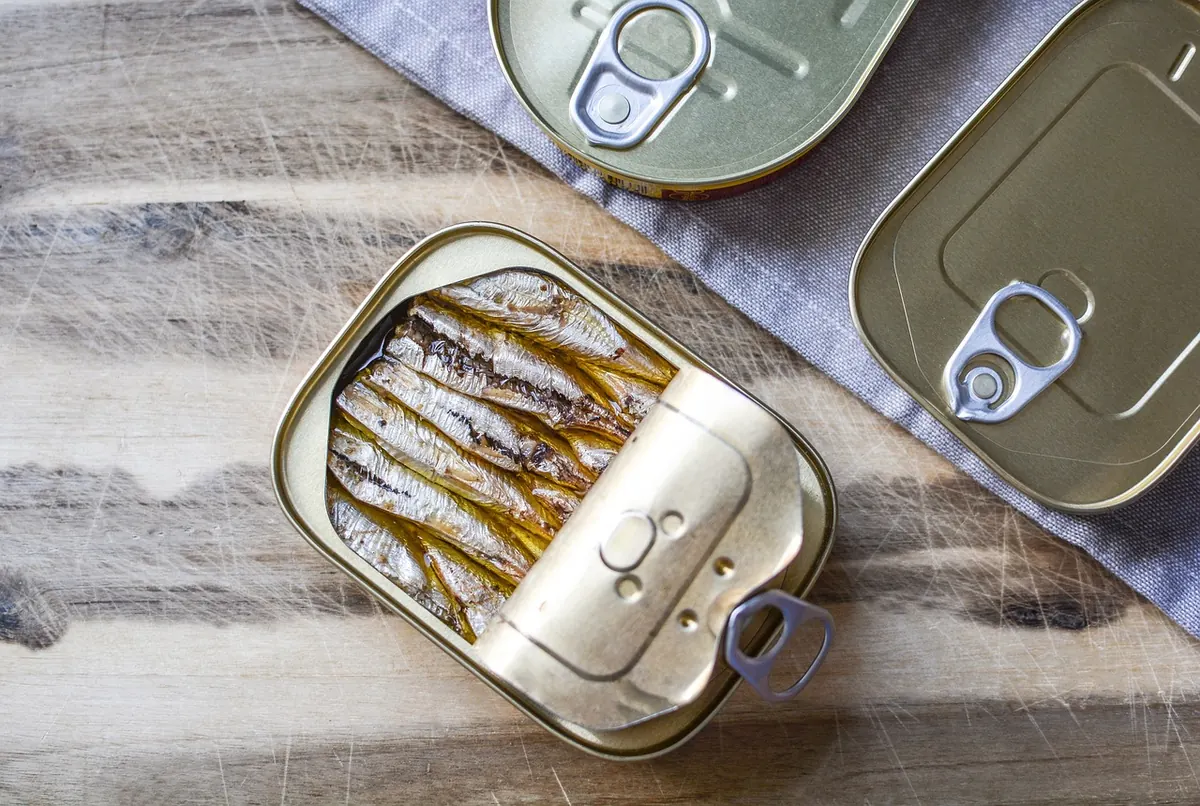
- Protein: eggs, beans, leftover meat, a tin of fish
- Something sharp: lemon, vinegar, mustard, herbs, a hard cheese rind
That formula covers most of the meals that would otherwise be thrown away, and it's forgiving enough to work on a Friday night when nobody wants to follow a recipe.
Keeping it light
Nobody needs a spotless, zero-waste kitchen. The aim is to cut down on repeat offenders — the bag of salad, the loaf of bread, the half bunch of herbs — because those are the things that quietly add up, week after week, in both money and bin space.
Start with two habits: a Sunday fridge audit and a Wednesday check. Add the freezer list once those feel automatic. For anything involving a medical condition, an allergy or a specific dietary need, speak to your GP or a registered dietitian rather than relying on a general checklist.
Do it for a month and you'll notice the difference without trying: fewer emergency shops, a fuller freezer, and a bin that takes longer to fill.
Photo: monicore / Pixabay