How to Build a Cocktail Garden: 10 Easy Herbs for UK Patios
Nothing improves a drink faster than a handful of leaves picked thirty seconds before the glass is filled. A sprig of mint pressed under a spoon, rosemary run around the rim of a gin glass, basil clapped between your palms over tonic: it is the easiest bit of bartending there is, and it happens on your own patio.
The good news for British growers is that most cocktail herbs are cheap, forgiving and happy in pots. Four or five containers on a sunny step will keep you in garnishes from late spring to October, and the woody ones — rosemary, thyme, sage, lavender — will carry on through winter if you look after them. Here is what to grow, and how to keep it going.
Pick the sunniest, most sheltered spot you have
Nearly all of these herbs come from Mediterranean hillsides, so light is the first thing to get right. Aim for six hours of direct sun. A south- or west-facing wall is ideal: it holds warmth into the evening and gives plants something to lean against when the wind picks up. Mint and lemon verbena will cope with a little shade; rosemary, thyme, sage and lavender will not.
Pots should be at least 20cm across, and 25–30cm deep for rosemary, sage and lemon verbena, which send down long roots. Terracotta dries out quickly, plastic holds moisture for longer, and either will work. What matters is drainage: holes in the base, a layer of broken crocks or gravel, and pot feet so the container is not sitting in a puddle after a downpour.
Use fresh compost rather than soil from the garden. A peat-free multipurpose mixed with a couple of handfuls of grit or horticultural sand suits these herbs well; garden soil compacts in a pot and rarely drains fast enough.
The ten herbs worth the space
- Mint. Spearmint or Moroccan mint for mojitos, juleps and Pimm's. Grow it in its own pot — it spreads by runners and will smother its neighbours.
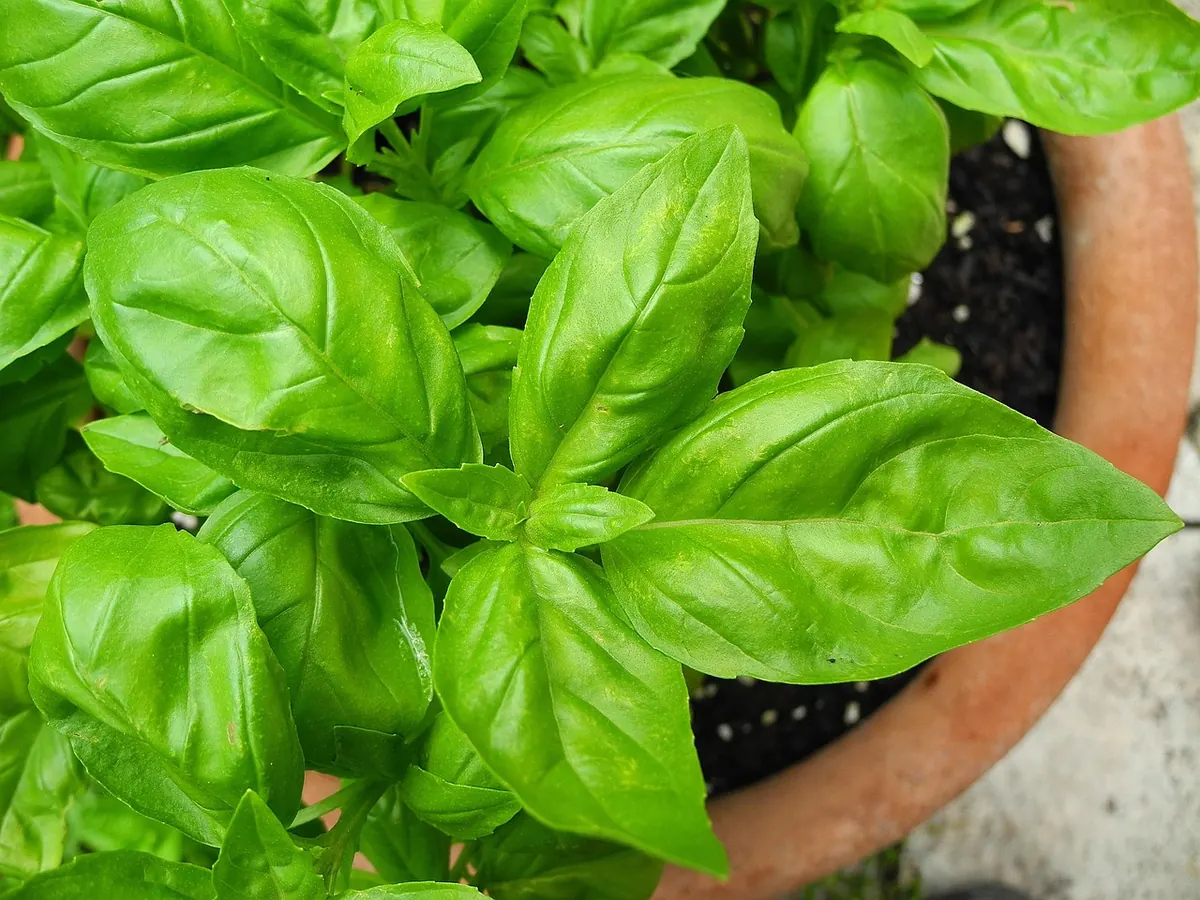
- Basil. Genovese for a gin basil smash; Thai basil brings a faint aniseed note that works with lime.
- Rosemary. Evergreen and drought-tolerant. A sprig in a syrup, or a needle or two in a gin and tonic.
- Thyme. Lemon thyme is the one to choose; the leaves are tiny, but the citrus scent carries into vodka and vermouth.
- Sage. Common sage for brown spirits and honey syrups; pineapple sage is a tender treat for rum drinks.
- Lemon verbena. The purest lemon flavour of the lot. Tender, so overwinter it indoors or treat it as an annual.
- Lavender. English lavender (Lavandula angustifolia) only for the kitchen. Use it sparingly; too much and drinks taste of soap.
- Coriander. Leaf and stem for a Bloody Mary. Sow little and often, because it bolts in heat.
- Dill. Feathery leaves for tomato drinks and quick pickled garnishes.
- Tarragon. French tarragon, bought as a plant rather than grown from seed, for aniseed notes in vodka, white vermouth or a vinegar shrub.
Keeping them alive through a British summer
Watering
Little and often beats a weekly soak. Check the top centimetre of compost with your finger and water when it feels dry. Rosemary, thyme, sage and lavender prefer to dry out slightly between waterings, while mint, basil and lemon verbena wilt fast in a hot spell. In a wet July, move pots under an overhang and tip out saucers so the roots are not standing in water.
Feeding and pinching
A liquid feed every fortnight from June keeps potted herbs productive; plants grown for their leaves do not need much more than that. Pinch out the growing tips of basil and mint every week or so. It makes bushier plants and gives you something to use straight away.
Pests and slugs
Slugs and snails go for basil and coriander first. Copper tape around the rim, a torch-and-bucket patrol after dark, or a pot raised on feet all help. Aphids on mint can be blasted off with a firm jet of water.
Harvest so the plants keep producing
Cut in the morning, when the oils are strongest, and use sharp scissors rather than pulling at stems. Take no more than a third of a plant at a time, and always cut just above a pair of leaves so new shoots break from that point. Basil and mint respond well to hard picking; rosemary, thyme and lavender grow slowly, so take sprigs rather than handfuls. Snip off flower buds on basil, mint and coriander to keep the leaves coming. Let lavender flower — the buds are the useful part.
Turning leaves into drinks
A garnish is only the start. Three techniques cover most of what you will want to do.
- Muddling. Press herbs gently with a muddler or the end of a wooden spoon. Mint wants a light press; basil bruises and turns bitter if you attack it.
- Syrups. Warm equal volumes of sugar and water until the sugar dissolves, take the pan off the heat, add a good handful of herbs, then leave to steep for 20–30 minutes. Strain, bottle and keep in the fridge, where it will last a fortnight or so. Rosemary, thyme, lavender and lemon verbena all make excellent syrups.
- Infusions. Add leaves or sprigs to a jar of spirit, taste every hour, and strain once the flavour is where you want it. Soft herbs take minutes to a few hours; woody ones take longer.
Freeze spare leaves in ice cube trays with a little water and the same flavours will be waiting in February. Remember, too, that a herb-infused tonic or soft drink is a perfectly good use of the harvest: the herbs are the point, not the alcohol.
Start with three pots, not thirty
If you are new to this, buy three plants in late spring: a mint, a rosemary and a basil. Set them in the sunniest spot you have, water them properly, and pick from them all summer. Add lemon verbena and thyme next year, then fill gaps with coriander and dill sown from seed in a windowsill tray. Buying plants rather than seed for rosemary, sage, thyme, tarragon, mint and lavender saves a season of waiting, and all of them will thank you for a sheltered corner and a pot that drains freely. By the time the first warm evening arrives, everything you need will be within arm's reach of the table.
Photo: Crepessuzette / Pixabay